

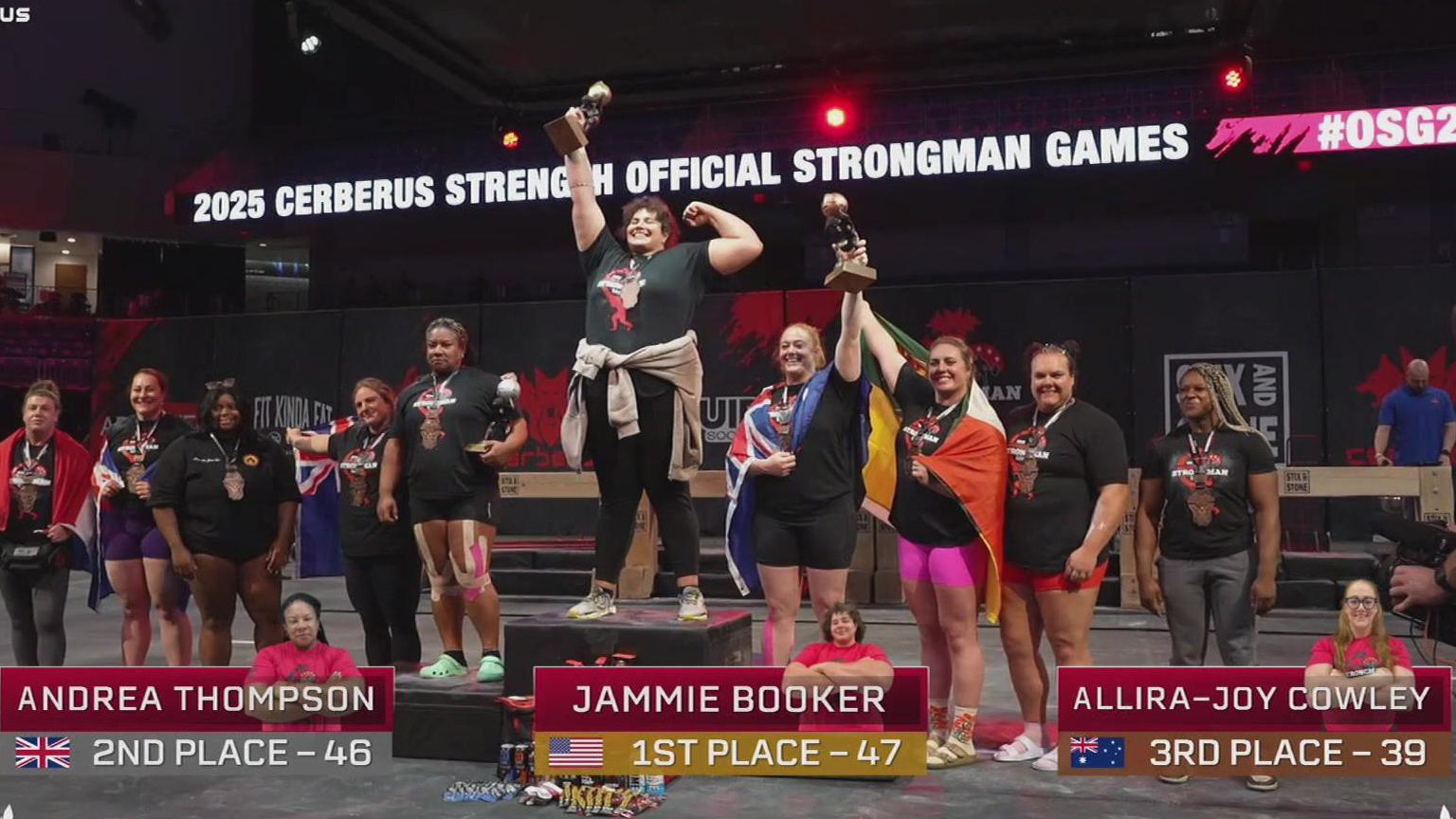
The American competitor was disqualified from the global female strength competition
An English competitor honored as the world's strongest woman says she was deprived of her winning moment after it emerged the initial winner was a trans female who was ineligible to compete.
The British strongwoman was awarded the title after the fact after US competitor the disqualified contestant was removed from competition.
Thompson explained to sports media the competition, held in the Texas city of Arlington, was clouded by somebody who wasn't eligible to participate.
"I was very disappointed and upset with what she's done," she stated. "She was untruthful and was very deceptive, and took away a lot of things from a lot of female athletes.
"The competitor that finished 11th was denied the opportunity to compete in the third day... to achieve the top 10 status in the world."
Event coordinators, the competition body, said "participants could only compete in the category for their biological sex recorded at birth", and that they had eliminated the athlete in dispute "who was male by birth."
Event Background
Documentation indicate Booker participated in at least two other strongwoman competitions this year - winning the Washington competition in summer and placing runner-up at the continental championship in July.
Journalists could not contact Booker and the organization confirmed "an attempt had been made to get in touch with the athlete... but a reply had not been obtained."
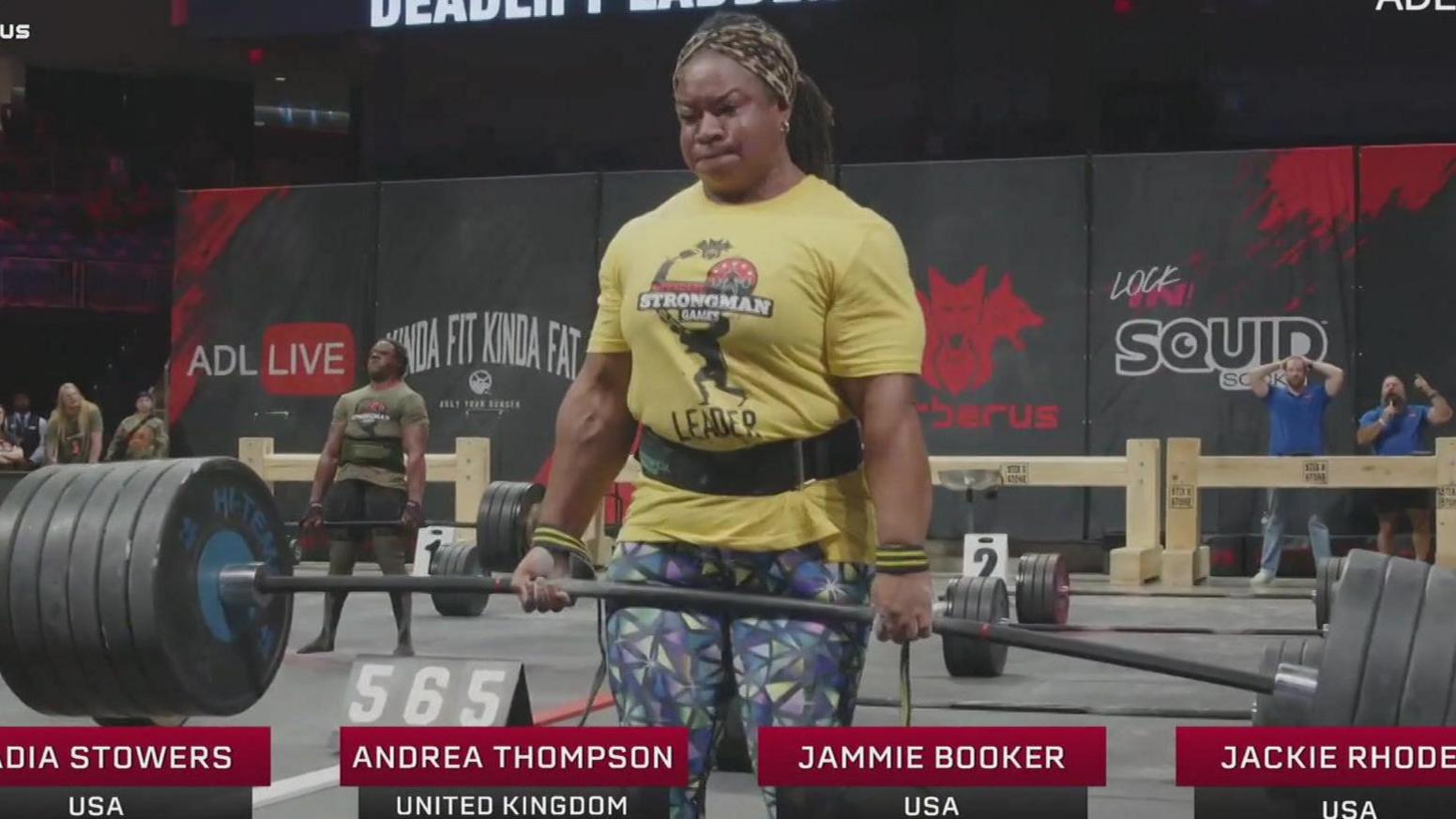
Thompson had initially finished runner-up to the American athlete
Thompson, forty-three, eventually was declared the global female strength champion for the second occasion, having earlier won the championship in 2018.
But it was only following this season's event finished that she discovered her opponent had been ineligible to compete.
"There was no indication at all during the competition - nobody had any cause to suspect anything," said the parent from East Anglia.
"It happened about several hours after that the first rumours started circulating, and then the organisers notified me.
"It represents a significant accomplishment that's been marred by some dishonesty."
Competition Details
Power competitions have no single regulatory authority, instead, private organizations organize a variety of competitions.
The World's Strongest Woman title is awarded at the Official Strongman Games, organized by a British organization.
More than four hundred athletes from nearly 40 nations participated in this season's event, which coordinators describe as "one of the highest points of the strength world."
The Games featured contests across multiple sex, body mass and age categories.
The British athlete and Booker were in the Women's Open category and participated in half-dozen events over multiple days, including the log press, frame carrying and progressive deadlift.
Rules and Eligibility
A statement from the organization stated: "Competitors are placed to men's or female divisions based on whether they are recorded as male or female at birth.
"It appears that an competitor who is biologically male and who currently self-identifies as a woman participated in the Women's Open division... organizers were unaware of this fact prior to the competition."
In twenty twenty-three, Texas enacted a law banning "biological men from competing against women competitors", although this is limited to college and university sport in the state.
The champion believes female strength competitions may implement gender verification in the coming years.
"I suppose it's going to have to proceed along that path... but our sport is still relatively recent. There's not enough money in it to have these things in operation. We depend on the honesty of the competitors."
Broader Sports Context
In the past few seasons, a increasing quantity of sports federations have prohibited athletes who have gone through male puberty from participating in top-level female competition, amid concerns over equity and safety, including international swimming and athletics organizations.
In May, prominent UK athletic organizations were among a number of institutions to follow suit, after the Britain's highest court's decision that the legal definition of a woman is based on birth sex.
The moves have been challenged by transgender advocacy activists, who contend they could infringe upon human rights and insist participation should be emphasized.
Both global track and field and pugilism organizations implemented chromosomal testing this season, claiming it is needed to safeguard the fairness of female sports.
An official from international athletics has stated that between fifty to sixty athletes who experienced puberty as males have been finalists in the female category in international and regional track and field championships since 2000.


